The ball was my best friend
I was lucky. I was born into a family that gave me everything. My parents were at every pitch, every away trip and every Sunday morning, even when it was cold and the match meant nothing.
But if there's one thing I remember from being small, it's the ball. It came with me everywhere. To the promenade, to the beach, to the street. By the age of four I was already playing for a team.
I grew up and football became everything. My whole life turned around it. It gave me my best friends, my best memories and experiences I'll never forget.
Everyone grew but me
Then came the moment that changed everything. My teammates shot up and I didn't. From one season to the next, football stopped being decided by the ball alone.
The physical side started deciding everything
I wanted to play. I wanted to do what I'd done since I was tiny. But however hard I tried, there was always someone ahead of me. Someone who got to the ball first, who held off the contact, who ran the last move of the match when I had nothing left.
It wasn't about wanting it. It was about my body. And at fifteen, that is very hard to understand and even harder to accept.
Until I discovered the gym
I didn't start training to get strong. I started because I wanted to play again.
And something I didn't expect happened: I began to understand my body. Why I tired before everyone else. Why I lost every duel. What I could change and what I couldn't.
For the first time I felt I could compete
I started to grow and develop physically thanks to all the hours I put in. It wasn't one month, or two. But I got back in the game.
Four tiers up in a single year
In one season I went from playing in Tercera Catalana to playing in Primera Catalana, which at the time was the highest division in Catalonia.
And it wasn't luck. It was preparation
That sentence is what brought me here. Because what changed my career wasn't a coach who backed me or a good run of form. It was understanding that the physical side is trained, planned and measured, and that whoever works on it properly gets ahead of whoever just waits.
What came next
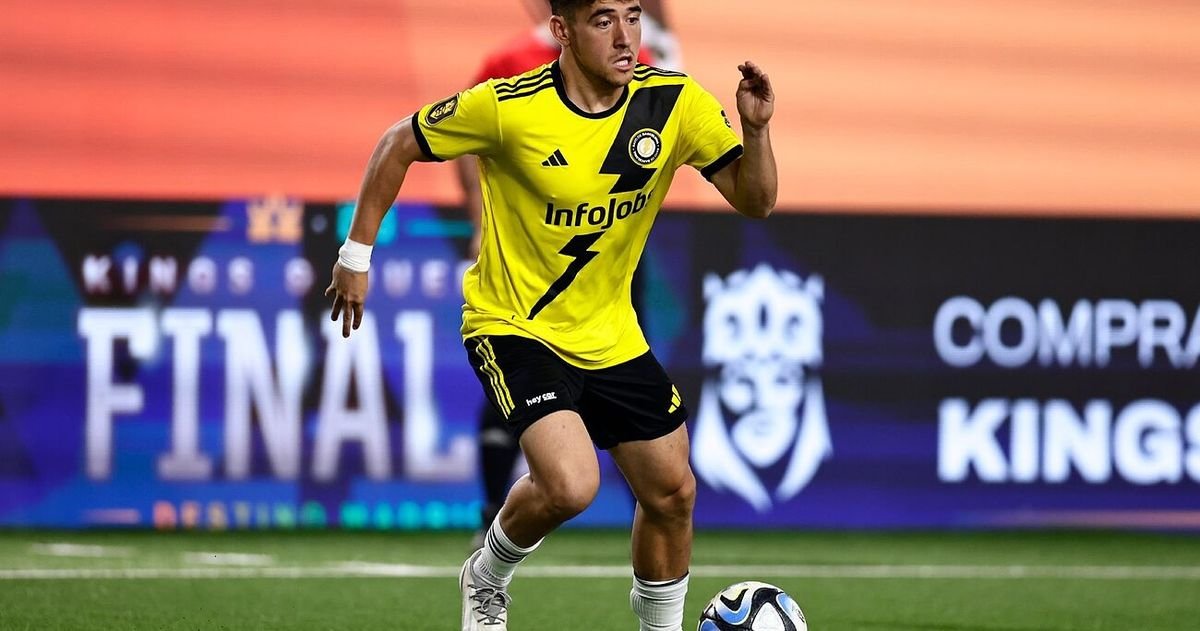
From there I lived things I will never forget. None of them were in the script of that kid who wasn't growing.
All the while I was studying Sport and Exercise Sciences at INEFC Lleida, specialising in exactly what had changed my life: football.
But I'm going to tell you the truth
I made a lot of mistakes. Real howlers. Mistakes that probably cost me going further than I did.
- I didn't look after myself properly. I slept badly, ate whenever I could and thought that training hard meant the job was done. That's where the job starts, not where it ends.
- I trained to failure on matchday itself. I arrived at the pitch empty and then couldn't understand why I faded in the second half. I was stealing from myself the very minutes I wanted most.
- I did whatever I saw on social media. No context, no plan and no idea what any of those exercises were for. I was copying the routine of a player who had neither my body, nor my position, nor my fixture list.
- I neglected recovery. I saw it as wasted time. And it turns out that's where the improvement actually happens: training is the stimulus, recovery is when the body uses it.
- I trained the same the day before a match as the day after. Same session, same load, same effort. As if my body had no memory of what had happened to it on Sunday.
None of those five felt like mistakes at the time. They all felt like effort. And that's exactly the problem: they feel like doing things right.
Nobody taught me how to do it properly. I learned by getting it wrong, and getting this wrong costs entire seasons. I still see those same five mistakes every week in the players who write to me.
How far could I have gone if I'd done things right?
It's a question I still ask myself. And it has no answer, which is the part that stings most.
And that's why I'm a conditioning coach today
Not just to train players. To help them too. And to stop them making the same mistakes I made.
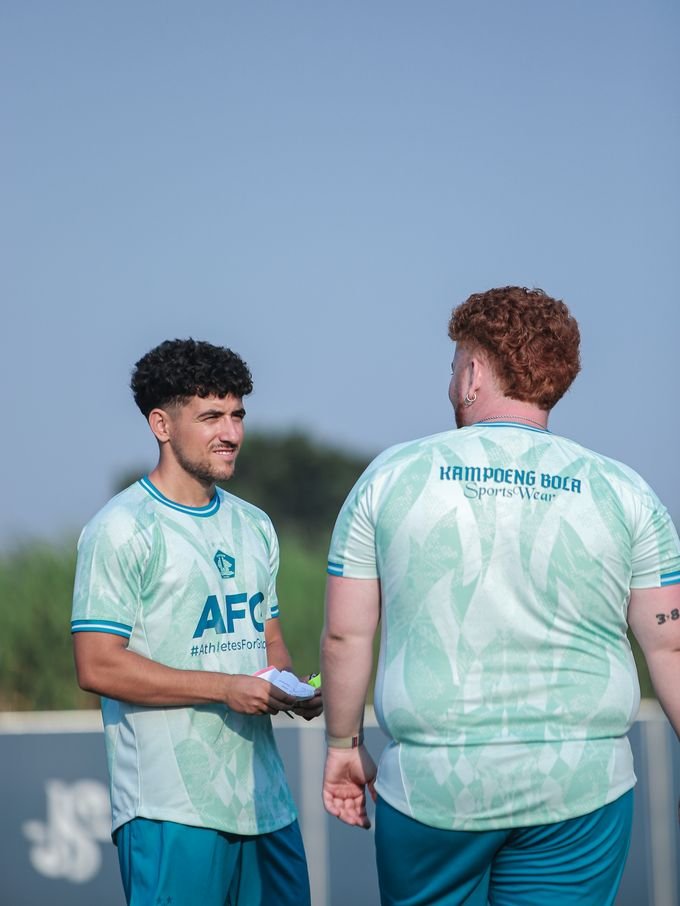
I've been doing this for more than six years, I've worked at professional clubs and professional academies, and today I work full time at Persik Kediri FC, in the Indonesian top flight. In all that time I've seen enough cases to be certain of one thing.
Talent on its own isn't enough
If your training has no structure, if you don't know what you need at each point of the season, you'll fall by the wayside. It doesn't matter how good you are with the ball.
I've seen players with more talent than me drop out because they trained a lot and badly. And I've seen others with half the ability go further simply because what they did had an order to it.
Talent gets you onto the pitch. What decides whether you stay is everything else.
That's why I created the ATP program
Not so you train more. So you train better.
So you stop improvising. So everything you do has a reason and you know what that reason is. So you don't have to learn through mistakes, the way I did.
To give you exactly what you need and walk the process with you
ATP stands for Activate Your Prime. It's an individual conditioning program for footballers, online, built around your fixture calendar, your position and your injury history. And it runs with very few places per intake, because I review every player's work one by one.